The Secret Second Season: What to Plant in August for a Fall Garden
This post contains affiliate links. By clicking/purchasing through them I may make a small commission at no cost to you.
I only recommend things I love, which helps me to run the blog ad-free. 
It’s late July and here in zone 6b, I’m planning the fall garden. Oh, you thought the garden season was going to end with summer? Oh no, no no no.
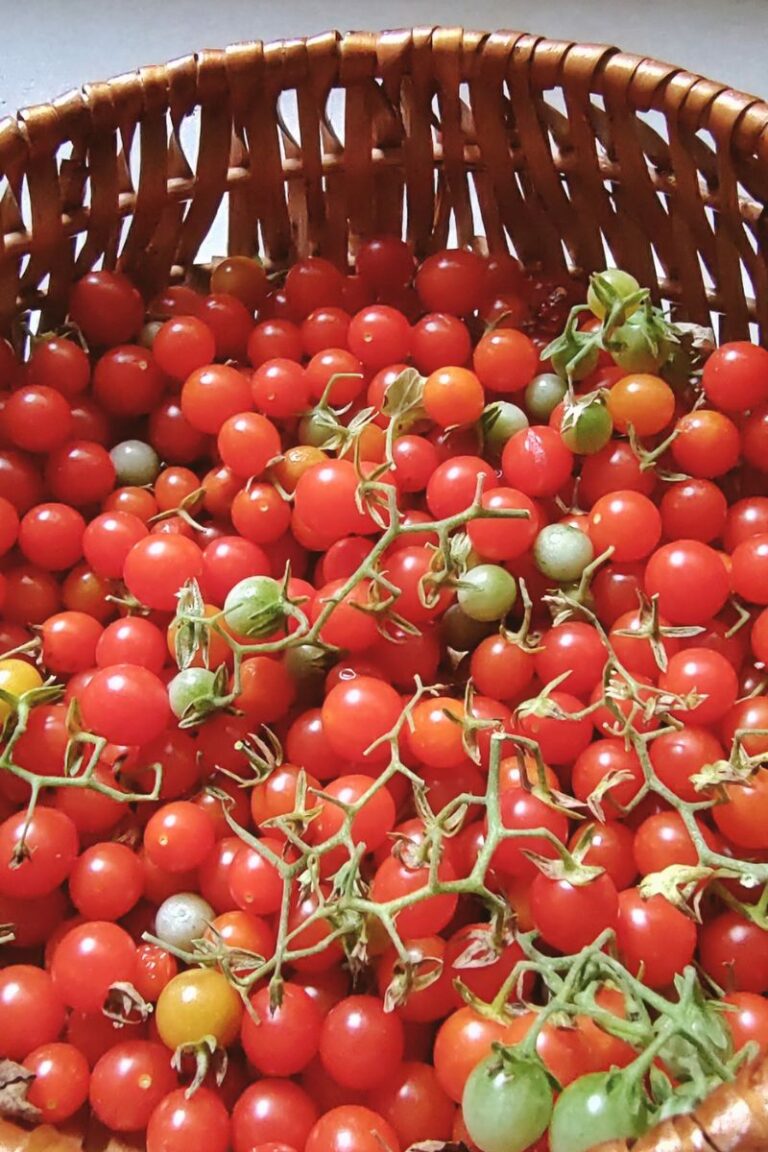
Where I live, most of us are harvesting from the garden. (Sometimes that means harvesting A LOT of cherry tomatoes.) And while they’re collecting and preserving harvests, they might also be seeing signs of the garden’s end. My bush beans are wild and my big slicing tomato plants are getting leggy. But unlike past me, I now know that it’s time to start the garden’s round two.
August isn’t the end of the growing season, it’s the start of a new one. Every USDA Hardiness Zone can have a second season. In some ways, autumn is the easier, more forgiving season to garden in. Cooler nights mean less bolting, fewer pests, and there are some crops that taste better after a light frost.
If you’ve never planted a fall garden before, this is your sign. Here’s what I’m planning for my fall garden.

Why August is Great Time to Plant
When thinking about your fall garden, go right now to The Old Farmer’s Almanac to find your first expected frost date. Most fall crops need somewhere between 50 and 90 days to mature, so you count backward from that frost date to figure out your last safe planting window. For a lot of the country, that window lands squarely in August.
Because the soil in August is still warm, seeds tend to germinate fast. Unlike in spring, they sprout more quickly but the trade-off is that you’re planting in the summer heat. Where I live, August can be mild or just brutal. If it’s still hot af where you live, make sure to water well in those first couple of weeks. It matters more now than it does in the spring.
What I’m Planning for my Fall Garden
Brassicas
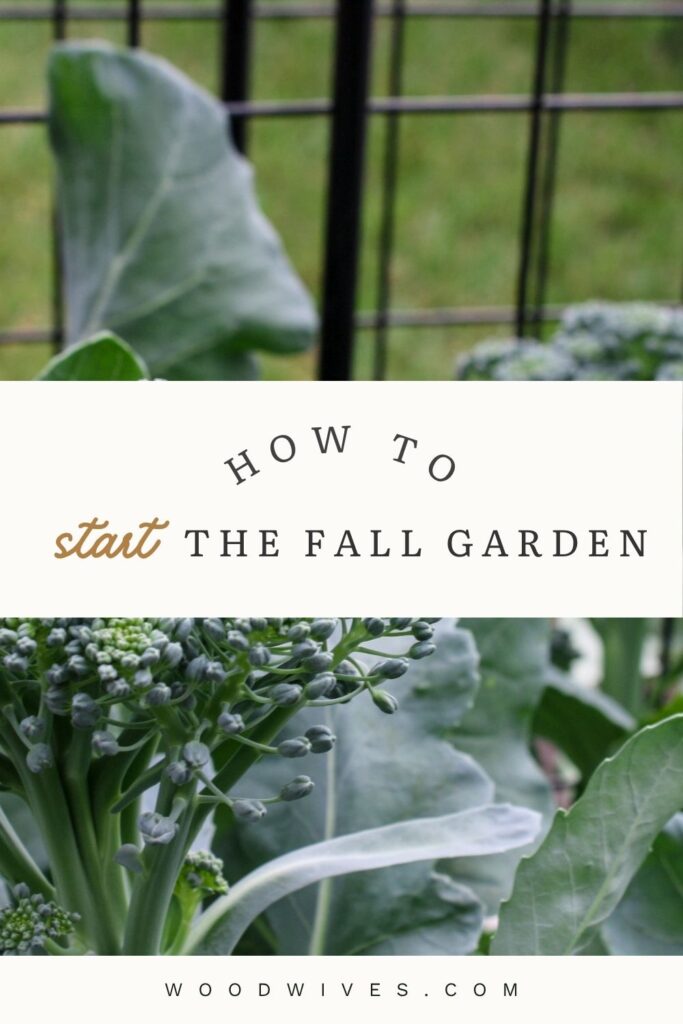
In the last few days of July to early August, I’m starting Green Sprouting Calabrese broccoli and Early Golden Acre cabbage indoors (found at likely any garden center, both of these are Ferry-Morse). Later I’ll direct sow bok choy, kale, and arugula right into the garden. The kale and arugula will be sown directly underneath the bush beans. By the time the bush beans are completely done, I’ll snip them down to leave the roots (for nitrogen!) and the greens will be established.
Broccoli, cauliflower, cabbage, mustard greens, bok choy, and kale all prefer fall conditions over spring. In the spring, a sudden heat wave can send them bolting before they ever form a proper head. I’ve failed several times thinking I could get them in but it’s just hotter earlier and earlier now.
In fall, they mature right as temperatures are dropping. This is what they want to do. If you feel you’re too late to start these indoors, you can usually buy transplants starting in early-to-mid August.
Quick and Easy Lettuces and Greens
I’m planting spinach and mesclun lettuce mix. Lettuces (along with radishes, see below) are quick wins in the garden. Most mature in 30 to 45 days, so even a late-August sowing gives you a harvest well before the first hard freeze. Better yet, cool fall temperatures make leafy greens taste better and avoids the bitterness of their heat-stressed summer counterparts.
Root Vegetables
Radishes will go everywhere I can plunk them in (along with scallions, see below). They are so easy, and fit in those little bare spots between other plants. I like to overplant so there’s fewer weeds and more output. I’m planting French Breakfast and Five Color Radish Mix – Garden Party radishes (none of the seed links are affiliate, they’re all from Renee’s Garden and I adore buying seeds from them).
I’m also planting wee little carrots. I’ve got Nantes Half-Long, Little Finger, and Romeo Round Baby carrots going in for a second harvest. Carrots, beets, radishes, and turnips are fall garden winners. They love the cooling weather and after a light frost, they’re even sweeter than their summer versions.
“To store your carrots for winter, leave them in the ground and simply dig them up as needed. Cold-weather stimulates them to produce sugar and ice-binding proteins, which act as a natural antifreeze and protect the roots in cold weather.” [1]
Peas and Scallions, Round Two
I didn’t have a lot of luck this spring with peas, I was a just too late getting the seeds in the ground. So I’m going to try again. I’m planting Snap Daddy Sugar Snap peas this time. Bush and snap pea varieties planted in mid-to-late August will climb and produce right through the first light frosts, and cooler weather improves their flavor as well.
I’m also going to stuff Evergreen Bunching Scallions and Salad Scallions in every bare spot I see.
Herbs That Love the Shoulder Season
Every spring, our garden centers have cilantro and I’ve fallen for this trick every year. And then they bolt and die. Cilantro hates heat! So a fall garden is the perfect time to grow them.
I had success with curly and flat parsley this year grown under bush beans so they stay cooler, but they’ve stayed small. I’m curious to see if they finally grow as the weather turns. Dill should do well too.
Flowers
Last year we had Cosmos until November! So I planted another round of those right underneath the ones currently blooming. I also learned from my daughter how to collect the seeds. Those spiky dry ends of spent flowers? Those are seeds! Just pull them off and you can plant them now or collect them for next year.
I’ve also planted another round of zinnias (Pollinator Zinnias – Berry Tart) under the currently blooming zinnias.
I’ve also added sweet alyssum along edges, and the marigolds and pansies should keep blooming for a long time. Those are good to add if you don’t have them already. In a nearby pot, I planted Kneehigh Sunflowers – Music Box seeds. These might flower before the first frost and give us a few weeks of blooms, or they might not. We’ll see with those.
Starting a great Fall Garden

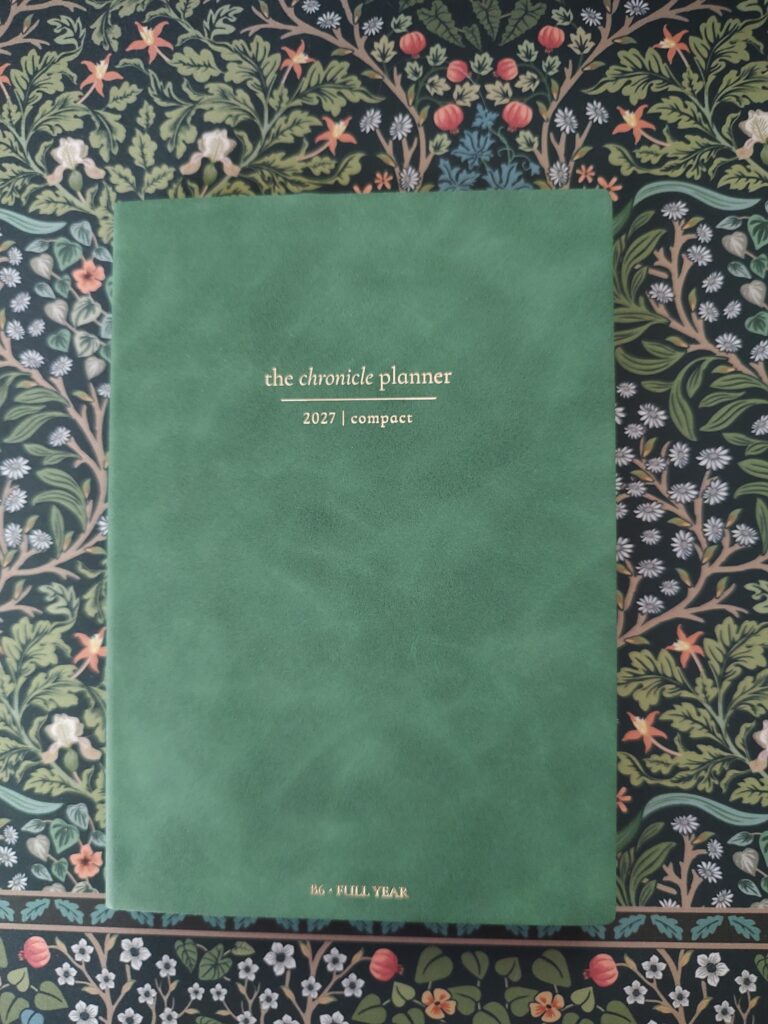
Make a plan. Last year I bought a Clever Fox Garden Planner (affiliate link) for my husband, who never used it. I commandeered it this spring and my whole fall garden is now planned inside it.
Give seeds extra water. Hot soil dries out fast, and a seed that dries out mid-germination won’t sprout. Water gently once or twice a day until seedlings are established.
Use shade for the first couple weeks if you need to. Taller nearby plants or even a shade cloth can help seedlings get through the hottest part of the day while they establish roots.
Know your first frost date, and know that not all plants are done with the frost. Plant accordingly and remember that many fall crops actually improve after a light frost and can keep producing well into a mild frost season.
Amend your soil. If your summer crops just came out of a bed, do a quick top layer of compost before replanting. Summer crops can be heavy feeders.
The Bottom Line
Most gardeners let their plots go quiet in September, I’ve done this many times. But a garden planted in August is just getting started. Get your seeds and starts in the ground this month and by October you’ll be harvesting a second wave.
(And then after Halloween, plant garlic!)
Footnotes
[1] Goddin, Silvan and Jordan Tony. Homegrown and Handgathered. New York: Countryman Press, 2025, 84.
References
Goddin, Silvan and Jordan Tony. Homegrown and Handgathered: The Complete Guide to Living Off Your Garden. New York: Countryman Press, 2025.
The Old Farmer’s Almanac. “First and Last Frost Dates by Zip Code 2026.”
https://www.almanac.com/gardening/frostdates
U.S. Department of Agriculture. “2023 USDA Plant Hardiness Zone Map.”
https://planthardiness.ars.usda.gov/